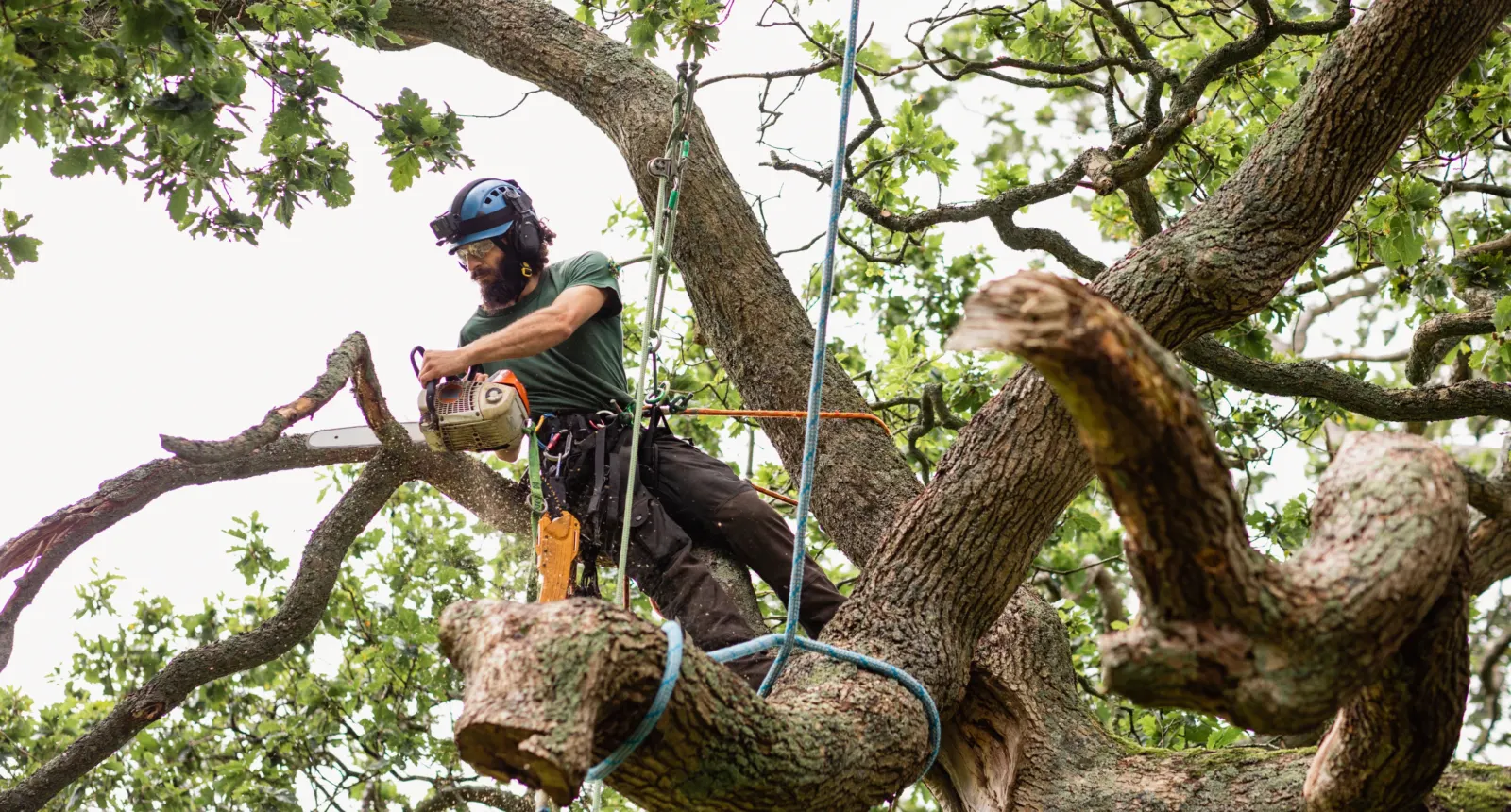
What the Arborist Looks At
- Trunk and Unions: Cracks, cavities, included bark and weak branch attachments.
- Roots and Soil: Root damage, lifted soil, fungus at the base and signs of past construction.
- Crown: Dead branches, thin foliage, broken limbs and uneven weight.
- Targets: What is under the tree: a house, a driveway, a play area or an empty corner of the yard.
When People Ask for an Assessment
- Buying a Property: Before closing, to see whether any large trees are a problem.
- Before Construction: To decide which trees can be kept near a planned addition, pool or driveway.
- Insurance Questions: When an insurer or adjuster asks about a tree’s condition.
- After a Storm: To check trees that stood through it but may be damaged.
How an Assessment Works
-
Site Visit
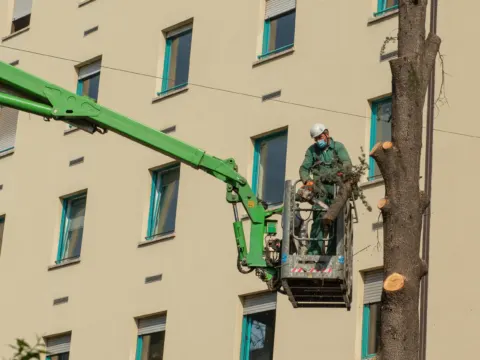
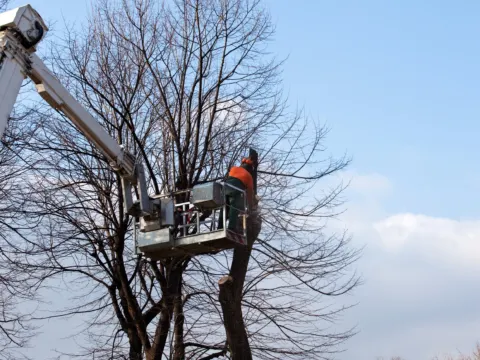
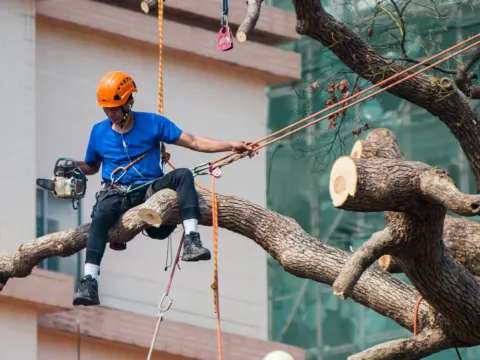
The arborist inspects the tree from the ground, and from above when it’s needed.
-
Written Findings
You receive a summary of what was found and what is recommended.
-
Options
Choices may include monitoring, pruning, support, treatment or removal. You decide what to do next.